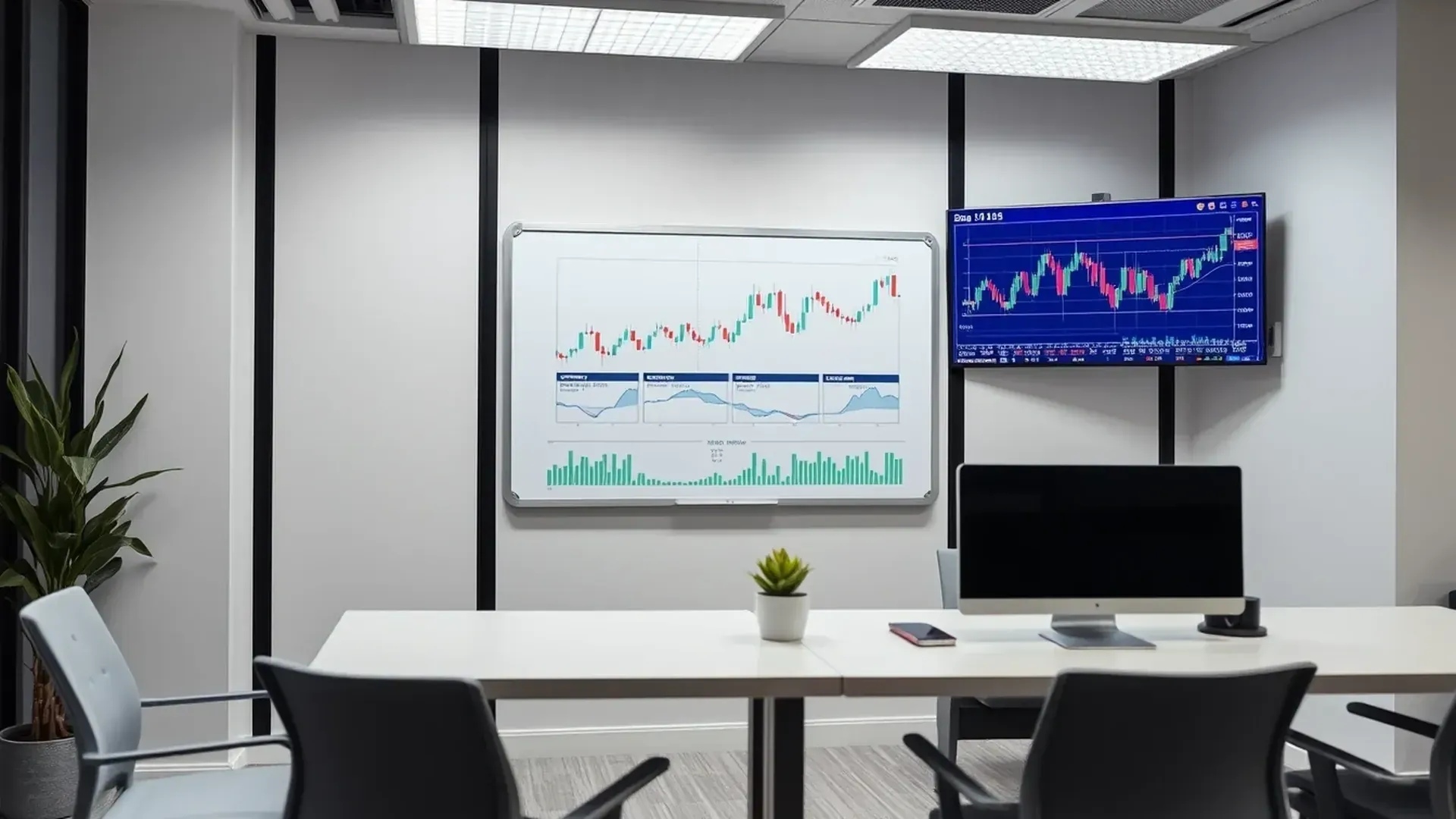
Professional trading in forex refers to the practice of engaging in foreign exchange (forex) trading as a career or profession. It involves the buying and selling of currencies with the aim of making profits from the fluctuations in their exchange rates. Professional traders typically possess a deep understanding of the forex market, employ various strategies and techniques, and often utilize advanced tools and technologies to analyze market trends and make informed trading decisions. They may trade on behalf of themselves, financial institutions, or clients, and their ultimate goal is to generate consistent and sustainable returns from their trading activities.
The Importance of Professional Trading Strategies in Forex
Forex trading, also known as foreign exchange trading, is a popular investment option for many individuals. It involves buying and selling currencies with the aim of making a profit. While anyone can participate in forex trading, there is a significant difference between amateur traders and professional traders. Professional trading in forex requires a deep understanding of the market, as well as the use of effective trading strategies.
One of the main reasons why professional trading strategies are important in forex is because they help traders minimize risks. The forex market is highly volatile, and prices can fluctuate rapidly. Without a proper strategy in place, traders may find themselves making impulsive decisions based on emotions rather than logic. This can lead to significant losses. Professional traders, on the other hand, have a set of rules and guidelines that they follow, which helps them make informed decisions and reduce the impact of market volatility.
Another reason why professional trading strategies are crucial in forex is that they help traders maximize their profits. By using proven strategies, professional traders are able to identify profitable opportunities and take advantage of them. They know when to enter and exit trades, and they have a clear understanding of risk management. This allows them to make consistent profits over time. Amateur traders, on the other hand, often rely on luck or intuition, which can lead to inconsistent results.
Professional trading strategies also help traders stay disciplined and focused. The forex market operates 24 hours a day, five days a week, and it can be easy to get caught up in the excitement and make impulsive decisions. However, professional traders have a set routine and stick to it. They have specific times for analyzing the market, placing trades, and reviewing their performance. This discipline helps them stay focused on their goals and avoid making costly mistakes.
In addition to discipline, professional trading strategies also emphasize the importance of continuous learning and improvement. The forex market is constantly evolving, and new trends and patterns emerge all the time. Professional traders understand the need to stay updated with the latest market developments and adapt their strategies accordingly. They are always seeking new knowledge and skills to enhance their trading performance. This commitment to learning sets them apart from amateur traders who may be content with their existing knowledge and skills.
Lastly, professional trading strategies help traders build a long-term sustainable career in forex. By following proven strategies and maintaining discipline, professional traders are able to achieve consistent profits over time. This allows them to grow their trading capital and build a solid reputation in the industry. They are also able to attract investors and manage funds on behalf of others. In contrast, amateur traders who rely on luck or intuition may struggle to achieve long-term success and may eventually give up on forex trading.
In conclusion, professional trading strategies are essential in forex trading. They help traders minimize risks, maximize profits, stay disciplined and focused, continuously learn and improve, and build a sustainable career. While anyone can participate in forex trading, it is the professional traders who have a deep understanding of the market and use effective strategies that are able to achieve consistent success. So, if you are serious about forex trading, it is important to invest time and effort in developing and implementing professional trading strategies.
Mastering Technical Analysis for Professional Forex Trading
What is professional trading in forex? Well, professional trading in forex refers to the practice of buying and selling currencies in the foreign exchange market with the goal of making a profit. It is a highly competitive and fast-paced industry that requires a deep understanding of market trends, technical analysis, and risk management.
To become a professional forex trader, one must first master technical analysis. Technical analysis involves studying historical price data and using various tools and indicators to predict future price movements. This analysis is based on the belief that market trends repeat themselves and that past price patterns can provide valuable insights into future price movements.
One of the most commonly used tools in technical analysis is the moving average. A moving average is a line that represents the average price of a currency pair over a specific period of time. Traders use moving averages to identify trends and determine potential entry and exit points for their trades.
Another important tool in technical analysis is the Fibonacci retracement. The Fibonacci retracement is a mathematical sequence that is used to identify potential support and resistance levels in the market. Traders use these levels to determine where to place their stop-loss orders and take-profit orders.
In addition to these tools, professional forex traders also use various indicators to help them make informed trading decisions. These indicators include the relative strength index (RSI), the moving average convergence divergence (MACD), and the stochastic oscillator. Each of these indicators provides different insights into market trends and can help traders identify potential trading opportunities.
However, mastering technical analysis is not enough to become a successful professional forex trader. Risk management is also a crucial aspect of professional trading. Professional traders understand that not every trade will be a winner, and they have strategies in place to manage their risk and protect their capital.
One common risk management strategy used by professional traders is the use of stop-loss orders. A stop-loss order is an order placed with a broker to sell a currency pair if it reaches a certain price. This helps to limit potential losses and protect the trader’s capital.
Another risk management strategy used by professional traders is diversification. Diversification involves spreading out investments across different currency pairs and markets to reduce the impact of any single trade or market event. By diversifying their portfolio, professional traders can minimize their exposure to risk and increase their chances of making a profit.
In conclusion, professional trading in forex requires a deep understanding of technical analysis and risk management. By mastering technical analysis tools and indicators, professional traders can identify potential trading opportunities and make informed trading decisions. Additionally, by implementing risk management strategies such as stop-loss orders and diversification, professional traders can protect their capital and increase their chances of success in the highly competitive forex market. So, if you’re looking to become a professional forex trader, start by mastering technical analysis and developing a solid risk management strategy.
Risk Management Techniques for Professional Traders in Forex
What is professional trading in forex? Well, professional trading in forex refers to the practice of buying and selling currencies in the foreign exchange market with the goal of making a profit. It is a highly competitive and fast-paced industry that requires a deep understanding of market trends, economic indicators, and risk management techniques.
One of the key aspects of professional trading in forex is risk management. As a professional trader, it is crucial to have a solid risk management strategy in place to protect your capital and minimize potential losses. In this article, we will explore some risk management techniques that professional traders use to navigate the volatile forex market.
First and foremost, professional traders understand the importance of setting stop-loss orders. A stop-loss order is a predetermined price level at which a trader will exit a trade to limit their losses. By setting a stop-loss order, professional traders can protect themselves from significant losses if the market moves against their position. This technique allows them to cut their losses and move on to the next trade without letting emotions cloud their judgment.
Another risk management technique used by professional traders is diversification. Diversification involves spreading your investments across different currency pairs and markets to reduce the impact of any single trade on your overall portfolio. By diversifying their trades, professional traders can minimize the risk of being heavily exposed to a single currency or market. This technique allows them to take advantage of potential opportunities while mitigating the risk of significant losses.
In addition to diversification, professional traders also employ position sizing techniques to manage their risk. Position sizing refers to determining the appropriate amount of capital to allocate to each trade based on the trader’s risk tolerance and the size of their trading account. By carefully calculating the position size, professional traders can ensure that they are not risking too much of their capital on any single trade. This technique helps them maintain a balanced and sustainable trading strategy.
Furthermore, professional traders understand the importance of staying disciplined and sticking to their trading plan. They do not let emotions dictate their trading decisions. Instead, they rely on their analysis and follow their predetermined trading rules. This disciplined approach helps them avoid impulsive and irrational trading decisions that can lead to significant losses.
Lastly, professional traders constantly monitor and analyze their trades to identify patterns and trends. They keep a trading journal to record their trades, including the reasons behind each trade and the outcome. By reviewing their trading journal regularly, professional traders can identify any recurring mistakes or weaknesses in their strategy. This self-reflection allows them to continuously improve their trading skills and adapt to changing market conditions.
In conclusion, professional trading in forex requires a solid understanding of risk management techniques. By setting stop-loss orders, diversifying their trades, using proper position sizing, staying disciplined, and constantly analyzing their trades, professional traders can navigate the volatile forex market with confidence. While there is no guarantee of success in forex trading, employing these risk management techniques can help professional traders minimize losses and increase their chances of making profitable trades.
Psychological Factors in Professional Forex Trading Success
Professional trading in forex involves the buying and selling of currencies with the aim of making a profit. It is a highly competitive and fast-paced market that requires a deep understanding of the financial markets, technical analysis, and risk management. While technical skills are crucial in forex trading, psychological factors also play a significant role in determining success.
One of the most important psychological factors in professional forex trading success is discipline. Successful traders have the discipline to stick to their trading plan and not let emotions dictate their decisions. They understand that trading is a long-term game and that losses are a part of the process. They do not let fear or greed cloud their judgment and are able to make rational decisions based on their analysis.
Another psychological factor that is crucial in professional forex trading is patience. Successful traders understand that not every trade will be a winner and that it takes time to see consistent profits. They do not rush into trades but wait for the right opportunities to present themselves. They are willing to wait for the market to confirm their analysis before entering a trade, even if it means missing out on some potential profits.
Risk management is another psychological factor that separates professional traders from amateurs. Successful traders understand the importance of managing their risk and never risk more than they can afford to lose. They use stop-loss orders to limit their losses and have a clear exit strategy in place for every trade. They also diversify their portfolio and do not put all their eggs in one basket, which helps to minimize the impact of any single trade on their overall portfolio.
Emotional control is another crucial psychological factor in professional forex trading. The market can be highly volatile and unpredictable, and it is easy to let emotions such as fear and greed take over. Successful traders are able to control their emotions and not let them affect their decision-making process. They understand that trading based on emotions is a recipe for disaster and instead rely on their analysis and trading plan.
Confidence is also an important psychological factor in professional forex trading success. Successful traders have confidence in their abilities and their trading strategy. They do not second-guess themselves or constantly change their strategy based on short-term market movements. They have a clear understanding of their strengths and weaknesses and are able to capitalize on their strengths while minimizing their weaknesses.
Lastly, continuous learning and self-improvement are crucial psychological factors in professional forex trading success. Successful traders are always looking for ways to improve their skills and knowledge. They read books, attend seminars, and learn from other successful traders. They understand that the market is constantly evolving, and they need to adapt and learn new strategies to stay ahead.
In conclusion, while technical skills are important in professional forex trading, psychological factors also play a significant role in determining success. Discipline, patience, risk management, emotional control, confidence, and continuous learning are all crucial psychological factors that separate professional traders from amateurs. By developing these psychological factors, traders can increase their chances of success in the highly competitive forex market.
Conclusion
Professional trading in forex refers to the practice of engaging in currency trading with a high level of expertise, knowledge, and experience. It involves making informed decisions based on thorough analysis of market trends, economic indicators, and other relevant factors. Professional traders often employ various strategies and techniques to maximize profits and minimize risks. They may also utilize advanced tools and technologies to execute trades efficiently. Overall, professional trading in forex requires a deep understanding of the market dynamics and a disciplined approach to achieve consistent success.