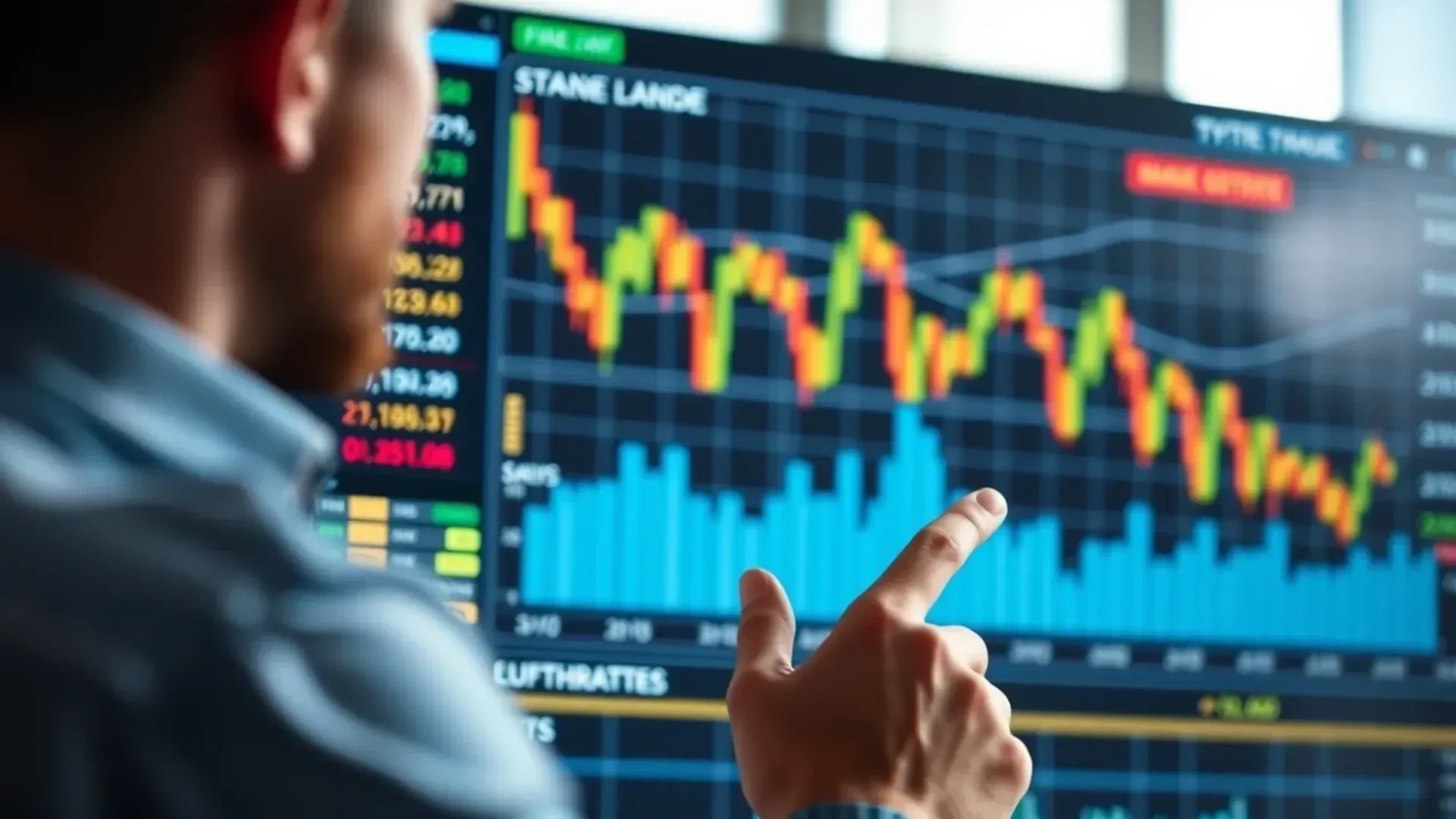
Psychological factors play a crucial role in influencing forex trading decisions. Traders’ emotions, cognitive biases, risk tolerance, and self-control all contribute to their decision-making process. Understanding and managing these psychological factors are essential for successful trading in the forex market.
The Impact of Emotions on Forex Trading Decisions
Forex trading is a complex and fast-paced world, where decisions need to be made quickly and accurately. While many factors can influence these decisions, one of the most significant is the impact of emotions. Emotions play a crucial role in forex trading, and understanding how they can affect decision-making is essential for success in this field.
One of the primary emotions that can influence forex trading decisions is fear. Fear can arise from a variety of sources, such as the fear of losing money or the fear of missing out on potential profits. When fear takes hold, it can lead traders to make irrational decisions, such as closing positions too early or holding onto losing trades for too long. These decisions are often driven by a desire to avoid losses at all costs, but they can ultimately lead to missed opportunities and even greater losses.
On the other end of the spectrum, greed is another powerful emotion that can impact forex trading decisions. Greed can arise when traders see the potential for significant profits and become overly focused on making as much money as possible. This can lead to impulsive and risky decisions, such as taking on too much leverage or entering trades without proper analysis. While greed can sometimes result in short-term gains, it often leads to long-term losses as traders become blinded by their desire for more and more profits.
Another emotion that can influence forex trading decisions is overconfidence. When traders experience a string of successful trades, they may start to believe that they have a special ability or insight that others do not possess. This overconfidence can lead to a sense of invincibility and a disregard for proper risk management. Traders may take on larger positions or enter trades without conducting thorough analysis, assuming that their past success will continue indefinitely. However, the market is unpredictable, and overconfidence can quickly lead to significant losses.
In addition to fear, greed, and overconfidence, other emotions such as excitement, frustration, and impatience can also impact forex trading decisions. Excitement can lead traders to enter trades without proper analysis, simply because they want to be part of the action. Frustration can cause traders to make impulsive decisions in an attempt to recoup losses quickly. Impatience can lead to premature exits from trades, preventing traders from fully capitalizing on profitable opportunities.
To mitigate the impact of emotions on forex trading decisions, it is crucial for traders to develop a disciplined and systematic approach. This includes setting clear trading rules and sticking to them, regardless of the emotions that may arise. It also involves practicing proper risk management techniques, such as setting stop-loss orders and not risking more than a certain percentage of the trading account on any single trade.
Furthermore, traders can benefit from taking breaks and stepping away from the screen when emotions are running high. This allows for a clearer and more rational mindset when making trading decisions. Seeking support from fellow traders or a mentor can also be helpful in managing emotions and gaining perspective.
In conclusion, emotions play a significant role in forex trading decisions. Fear, greed, overconfidence, and other emotions can lead to irrational and impulsive decisions that can result in losses. By developing a disciplined approach, practicing proper risk management, and seeking support when needed, traders can mitigate the impact of emotions and increase their chances of success in the forex market.
Cognitive Biases and their Influence on Forex Trading Decisions
Forex trading can be an exciting and potentially profitable venture. However, it is not without its challenges. One of the biggest hurdles that traders face is making decisions based on their emotions rather than logic. This is where cognitive biases come into play.
Cognitive biases are mental shortcuts that our brains use to make decisions quickly. While they can be helpful in certain situations, they can also lead to poor decision-making in forex trading. Understanding these biases and how they influence our trading decisions is crucial for success in the forex market.
One common cognitive bias that affects forex traders is the confirmation bias. This bias occurs when we seek out information that confirms our existing beliefs and ignore information that contradicts them. In forex trading, this can lead to a trader only looking for evidence that supports their trade and ignoring warning signs that it may not be a good idea. This can result in significant losses.
Another cognitive bias that affects forex trading decisions is the availability bias. This bias occurs when we rely too heavily on information that is readily available to us. For example, if a trader has recently experienced a string of successful trades, they may become overconfident and believe that they have a foolproof strategy. This can lead to taking unnecessary risks and ultimately losing money.
The anchoring bias is another cognitive bias that can influence forex trading decisions. This bias occurs when we rely too heavily on the first piece of information we receive. For example, if a trader sees a currency pair at a certain price, they may anchor their expectations to that price and make decisions based on it, even if the market conditions have changed. This can lead to missed opportunities or losses.
The sunk cost fallacy is yet another cognitive bias that can impact forex trading decisions. This bias occurs when we continue to invest in something because we have already invested a significant amount of time, money, or effort into it, even if it is not yielding positive results. In forex trading, this can lead to holding onto losing trades for too long in the hopes that they will eventually turn around. This can result in significant losses and missed opportunities.
Overcoming these cognitive biases is not easy, but it is possible. One way to mitigate the influence of cognitive biases is to have a well-defined trading plan and stick to it. By having clear rules and guidelines in place, traders can reduce the impact of their emotions on their decision-making process.
Additionally, seeking feedback from other traders and professionals can help to counteract cognitive biases. By getting an outside perspective, traders can gain valuable insights and challenge their existing beliefs.
In conclusion, cognitive biases can have a significant impact on forex trading decisions. Understanding these biases and how they influence our decision-making process is crucial for success in the forex market. By being aware of these biases and taking steps to mitigate their influence, traders can make more informed and logical decisions, ultimately increasing their chances of success.
The Role of Personality Traits in Forex Trading Decisions
Forex trading is a complex and dynamic market that requires traders to make quick decisions based on various factors. While technical analysis and market trends play a significant role in these decisions, it is essential not to overlook the psychological factors that can influence forex trading outcomes. One such factor is the trader’s personality traits.
Personality traits are the unique characteristics that define an individual’s behavior and thought patterns. These traits can have a significant impact on how a trader approaches forex trading and the decisions they make. Let’s explore some of the key personality traits that can influence forex trading decisions.
One important personality trait is risk tolerance. Some individuals are naturally more risk-averse, while others are more comfortable taking risks. In forex trading, risk tolerance can determine the trader’s willingness to enter high-risk trades or hold onto losing positions. Traders with a high risk tolerance may be more likely to take larger positions and hold onto trades for longer periods, hoping for a turnaround. On the other hand, traders with a low risk tolerance may prefer to take smaller positions and exit trades quickly to limit potential losses.
Another personality trait that can influence forex trading decisions is self-discipline. Forex trading requires a great deal of self-discipline to stick to a trading plan and avoid impulsive decisions. Traders with high levels of self-discipline are more likely to follow their trading strategies and avoid emotional trading. They are less likely to be swayed by short-term market fluctuations and are more likely to make rational decisions based on their analysis.
Patience is another crucial personality trait that can impact forex trading decisions. The forex market can be highly volatile, with prices fluctuating rapidly. Traders who lack patience may be tempted to enter trades prematurely or exit trades too early, missing out on potential profits. On the other hand, patient traders are more likely to wait for the right opportunities and hold onto trades for longer periods, allowing them to capture larger gains.
Emotional stability is yet another personality trait that can influence forex trading decisions. The forex market can be highly stressful, with constant price movements and unexpected events. Traders who are emotionally stable are better equipped to handle the ups and downs of trading without letting their emotions cloud their judgment. They are less likely to make impulsive decisions based on fear or greed and are more likely to stick to their trading plan.
Lastly, confidence is a personality trait that can significantly impact forex trading decisions. Confidence in one’s abilities and analysis can give traders the conviction to enter and exit trades at the right time. Traders who lack confidence may hesitate to take trades or second-guess their decisions, leading to missed opportunities or premature exits.
In conclusion, personality traits play a crucial role in forex trading decisions. Traders with different risk tolerances, levels of self-discipline, patience, emotional stability, and confidence will approach trading in different ways. Understanding and being aware of these personality traits can help traders make more informed decisions and improve their overall trading performance. So, whether you are a seasoned trader or just starting, take some time to reflect on your personality traits and how they may be influencing your forex trading decisions.
The Influence of Psychological Factors on Risk Management in Forex Trading Decisions
Forex trading can be an exciting and potentially lucrative venture. With the ability to trade currencies from around the world, it offers a unique opportunity for individuals to make money from the comfort of their own homes. However, it’s important to recognize that forex trading is not just about analyzing charts and making predictions. There are also psychological factors that can greatly influence trading decisions.
One of the most significant psychological factors that can impact forex trading decisions is fear. Fear can manifest in various ways, such as the fear of losing money or the fear of missing out on potential profits. These fears can lead traders to make irrational decisions, such as closing a trade too early or holding onto a losing position for too long. It’s important for traders to recognize when fear is influencing their decisions and to take steps to manage it effectively.
Another psychological factor that can influence forex trading decisions is greed. Greed can cause traders to take on excessive risk in the hopes of making larger profits. This can lead to impulsive and irrational decision-making, which can ultimately result in significant losses. It’s important for traders to set realistic profit targets and to stick to their trading plan, rather than being driven by greed.
Overconfidence is another psychological factor that can impact forex trading decisions. When traders experience a string of successful trades, they may become overconfident in their abilities and start taking on more risk. This can lead to complacency and a lack of proper risk management. It’s important for traders to remain humble and to continually evaluate their trading strategies, even during periods of success.
Emotional attachment to trades is another psychological factor that can influence forex trading decisions. Traders may become emotionally attached to a particular trade, especially if it’s been open for a long time or if it’s in a losing position. This emotional attachment can cloud judgment and prevent traders from making rational decisions. It’s important for traders to detach themselves emotionally from their trades and to make decisions based on objective analysis.
Impatience is yet another psychological factor that can impact forex trading decisions. Traders may become impatient if they’re not seeing immediate results or if they’re missing out on potential opportunities. This impatience can lead to impulsive decision-making and a lack of discipline. It’s important for traders to recognize that forex trading is a long-term game and to have patience in waiting for the right opportunities.
In conclusion, there are several psychological factors that can greatly influence forex trading decisions. Fear, greed, overconfidence, emotional attachment, and impatience can all lead to irrational decision-making and poor risk management. It’s important for traders to be aware of these psychological factors and to take steps to manage them effectively. By doing so, traders can improve their chances of success in the forex market and avoid unnecessary losses.
Conclusion
Psychological factors that influence forex trading decisions include emotions, cognitive biases, risk tolerance, self-control, and overconfidence. These factors can significantly impact traders’ decision-making processes and ultimately affect their trading outcomes. It is crucial for traders to be aware of these psychological factors and develop strategies to manage them effectively in order to make informed and rational trading decisions.