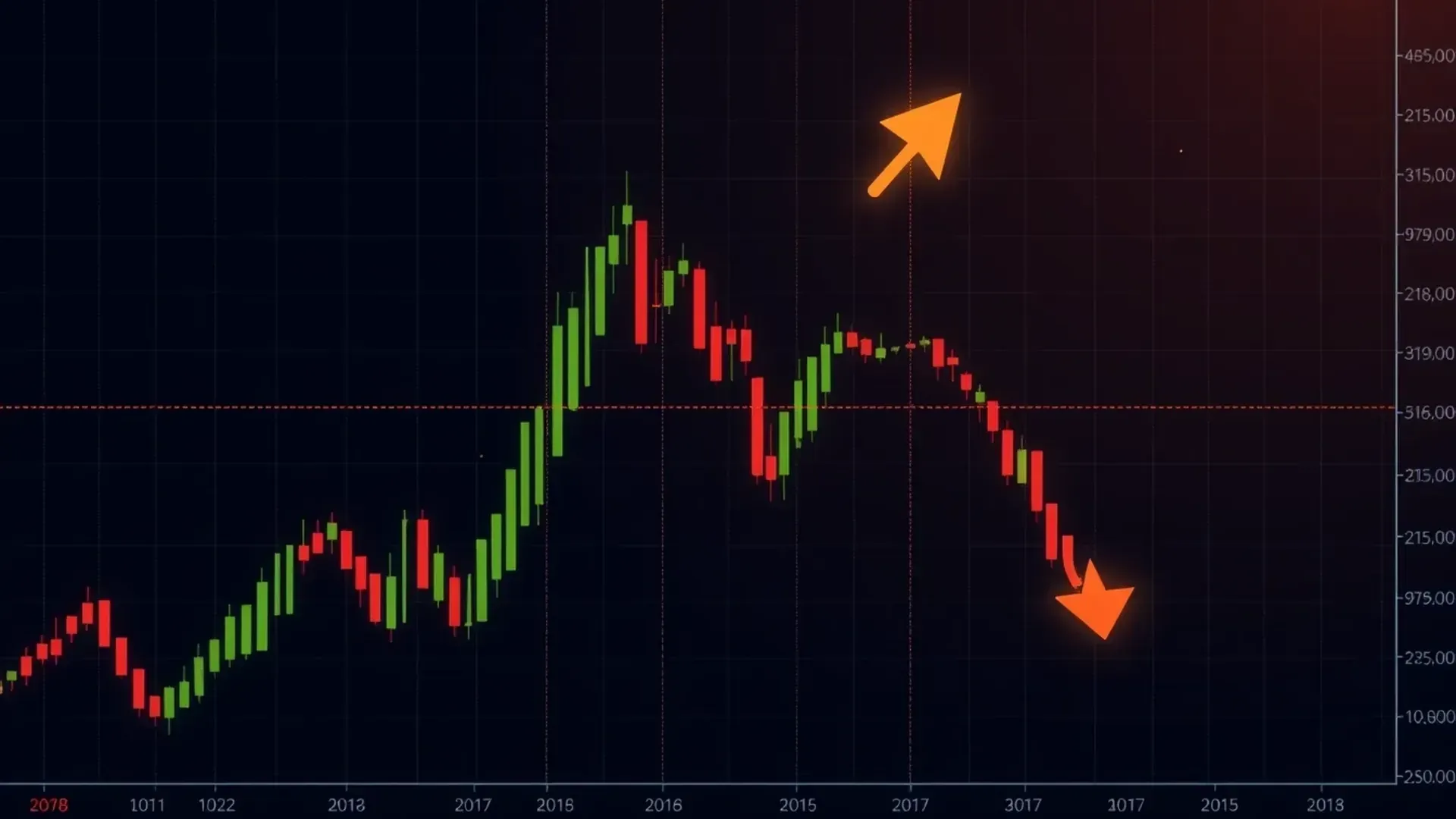
Technical indicators are widely used by forex traders to analyze market trends and make informed trading decisions. These indicators are mathematical calculations based on historical price and volume data, providing insights into potential future price movements. However, it is important to understand that technical indicators alone cannot guarantee profitable forex trading.
The Role of Technical Indicators in Forex Trading Profitability
Can technical indicators alone guarantee profitable forex trading?
When it comes to forex trading, there are many tools and strategies that traders can use to try and increase their chances of making profitable trades. One of the most popular tools used by traders is technical indicators. These indicators are mathematical calculations based on historical price and volume data, and they are used to identify potential trading opportunities.
Technical indicators can be a valuable tool in forex trading, as they can help traders analyze market trends and make informed trading decisions. However, it is important to note that technical indicators alone cannot guarantee profitable forex trading. While they can provide valuable insights into market conditions, they are not foolproof and should not be relied upon as the sole basis for making trading decisions.
One of the reasons why technical indicators alone cannot guarantee profitable forex trading is because they are based on historical data. While historical data can provide valuable insights into market trends and patterns, it is not a guarantee of future performance. The forex market is constantly changing and evolving, and what worked in the past may not necessarily work in the future.
Another reason why technical indicators alone cannot guarantee profitable forex trading is because they do not take into account other important factors that can influence market movements. Factors such as economic news, geopolitical events, and market sentiment can all have a significant impact on currency prices. Technical indicators alone cannot capture these factors, and therefore, they may not provide a complete picture of market conditions.
In addition, technical indicators can sometimes generate false signals. These are signals that indicate a potential trading opportunity, but ultimately turn out to be incorrect. False signals can lead to losses if traders rely solely on technical indicators without considering other factors. It is important for traders to use technical indicators in conjunction with other tools and strategies to increase their chances of making profitable trades.
That being said, technical indicators can still be a valuable tool in forex trading when used correctly. They can help traders identify potential entry and exit points, as well as provide insights into market trends and patterns. However, it is important for traders to use technical indicators as part of a comprehensive trading strategy that takes into account other important factors.
In conclusion, while technical indicators can be a useful tool in forex trading, they alone cannot guarantee profitable trades. Traders should use technical indicators in conjunction with other tools and strategies to increase their chances of success. It is important to remember that the forex market is complex and unpredictable, and no single tool or strategy can guarantee profits. By combining technical indicators with other factors such as economic news and market sentiment, traders can make more informed trading decisions and increase their chances of making profitable trades.
Analyzing Forex Trading Strategies Based on Technical Indicators
Can technical indicators alone guarantee profitable forex trading?
When it comes to forex trading, there are countless strategies and approaches that traders can use to try and make a profit. One popular method is to analyze the market using technical indicators. These indicators are mathematical calculations based on historical price and volume data, and they can provide valuable insights into market trends and potential trading opportunities. But can technical indicators alone guarantee profitable forex trading?
The short answer is no. While technical indicators can be a useful tool in a trader’s arsenal, they should not be relied upon as the sole basis for making trading decisions. There are several reasons why this is the case.
Firstly, technical indicators are based on historical data, which means they are backward-looking by nature. They can provide valuable information about past market trends and patterns, but they cannot predict future price movements with certainty. The forex market is influenced by a wide range of factors, including economic news, geopolitical events, and market sentiment, which can all have a significant impact on currency prices. Technical indicators alone cannot take these factors into account, and therefore they may not always accurately reflect the current market conditions.
Secondly, technical indicators are not foolproof. They are mathematical calculations that are subject to interpretation and can produce false signals. Traders who rely solely on technical indicators may find themselves entering trades based on false signals, which can lead to losses. It is important to use technical indicators in conjunction with other forms of analysis, such as fundamental analysis or market sentiment, to confirm trading signals and increase the probability of success.
Furthermore, technical indicators are not one-size-fits-all. Different indicators work better in different market conditions, and what works well in one situation may not work in another. Traders need to understand the strengths and limitations of each indicator and adapt their strategies accordingly. This requires experience and knowledge of the forex market, which cannot be gained solely by relying on technical indicators.
That being said, technical indicators can still be a valuable tool in a trader’s toolkit. They can help identify trends, support and resistance levels, and potential entry and exit points. They can also provide valuable insights into market volatility and momentum. However, they should be used in conjunction with other forms of analysis and should not be relied upon as the sole basis for making trading decisions.
In conclusion, while technical indicators can provide valuable insights into market trends and potential trading opportunities, they should not be relied upon as the sole basis for making trading decisions. The forex market is influenced by a wide range of factors, and technical indicators alone cannot take these factors into account. Traders should use technical indicators in conjunction with other forms of analysis and adapt their strategies to the current market conditions. By doing so, they can increase their chances of making profitable forex trades.
Common Pitfalls of Relying Solely on Technical Indicators in Forex Trading
Can technical indicators alone guarantee profitable forex trading?
When it comes to forex trading, many traders rely heavily on technical indicators to make their trading decisions. These indicators, such as moving averages, MACD, and RSI, provide valuable insights into market trends and potential entry and exit points. However, it is important to understand that technical indicators are not foolproof and should not be relied upon solely for profitable trading.
One common pitfall of relying solely on technical indicators is the tendency to overlook fundamental analysis. While technical indicators can provide useful information about price movements and market trends, they do not take into account the underlying factors that drive these movements. Economic data, geopolitical events, and central bank decisions can all have a significant impact on currency prices, and failing to consider these factors can lead to poor trading decisions.
Another pitfall of relying solely on technical indicators is the risk of over-optimization. Traders often spend hours fine-tuning their indicators and parameters to fit historical data perfectly. While this may result in impressive backtest results, it does not guarantee future profitability. Markets are constantly evolving, and what worked in the past may not work in the future. Over-optimization can lead to a false sense of security and can cause traders to miss out on profitable opportunities.
Furthermore, technical indicators are based on historical price data, which means they are lagging indicators. They can only provide information about what has already happened, not what will happen in the future. This can be a significant limitation, especially in fast-moving markets where prices can change rapidly. Relying solely on lagging indicators can result in missed opportunities or entering trades too late.
Another drawback of relying solely on technical indicators is the risk of false signals. Technical indicators are not infallible and can generate false signals from time to time. These false signals can lead to losses if traders blindly follow them without considering other factors. It is important to use technical indicators in conjunction with other tools and analysis methods to confirm signals and reduce the risk of false entries or exits.
Lastly, relying solely on technical indicators can lead to a lack of flexibility in trading strategies. Markets are dynamic and can change rapidly, and traders need to be able to adapt to these changes. By solely relying on technical indicators, traders may miss out on important market shifts or fail to adjust their strategies accordingly. It is important to have a well-rounded approach to trading that incorporates both technical and fundamental analysis to stay ahead of the game.
In conclusion, while technical indicators can be valuable tools in forex trading, they should not be relied upon solely for profitable trading. It is important to consider other factors such as fundamental analysis, market conditions, and current events. By using a well-rounded approach that incorporates multiple analysis methods, traders can increase their chances of success in the forex market. So, while technical indicators can provide useful insights, they alone cannot guarantee profitable trading.
Combining Technical Indicators with Fundamental Analysis for Profitable Forex Trading
Can technical indicators alone guarantee profitable forex trading? This is a question that many traders ask themselves when they first start out in the forex market. Technical indicators are tools that traders use to analyze price movements and identify potential trading opportunities. They can be helpful in making trading decisions, but relying solely on technical indicators may not guarantee profitable trading.
Technical indicators are based on mathematical calculations and historical price data. They can provide valuable information about market trends, support and resistance levels, and potential entry and exit points. However, they are not foolproof and should not be used as the sole basis for making trading decisions.
One of the limitations of technical indicators is that they are lagging indicators. This means that they are based on past price data and may not accurately predict future price movements. While they can provide useful information about market trends, they cannot guarantee future price movements.
Another limitation of technical indicators is that they can generate false signals. This can happen when the indicator gives a buy or sell signal, but the price does not move in the expected direction. This can lead to losses if traders rely solely on the signals generated by the indicators.
To overcome these limitations, it is important to combine technical indicators with fundamental analysis. Fundamental analysis involves analyzing economic, political, and social factors that can affect currency prices. By considering both technical indicators and fundamental analysis, traders can make more informed trading decisions.
Fundamental analysis can provide valuable insights into the underlying factors that drive currency prices. For example, if a country’s economy is growing rapidly, it may lead to an increase in the value of its currency. On the other hand, if a country is facing political instability or economic recession, it may lead to a decrease in the value of its currency.
By combining technical indicators with fundamental analysis, traders can get a more comprehensive view of the market. They can use technical indicators to identify potential entry and exit points, and use fundamental analysis to understand the underlying factors that can affect currency prices.
It is also important to note that successful forex trading requires discipline and risk management. Even with the best technical indicators and fundamental analysis, there is always a risk of losing money in the forex market. Traders should always use proper risk management techniques, such as setting stop-loss orders and not risking more than a certain percentage of their trading capital on any single trade.
In conclusion, while technical indicators can be helpful in analyzing price movements and identifying potential trading opportunities, they should not be relied upon solely for profitable forex trading. Combining technical indicators with fundamental analysis can provide a more comprehensive view of the market and help traders make more informed trading decisions. However, it is important to remember that forex trading involves risk, and proper risk management techniques should always be used.
Conclusion
No, technical indicators alone cannot guarantee profitable forex trading.