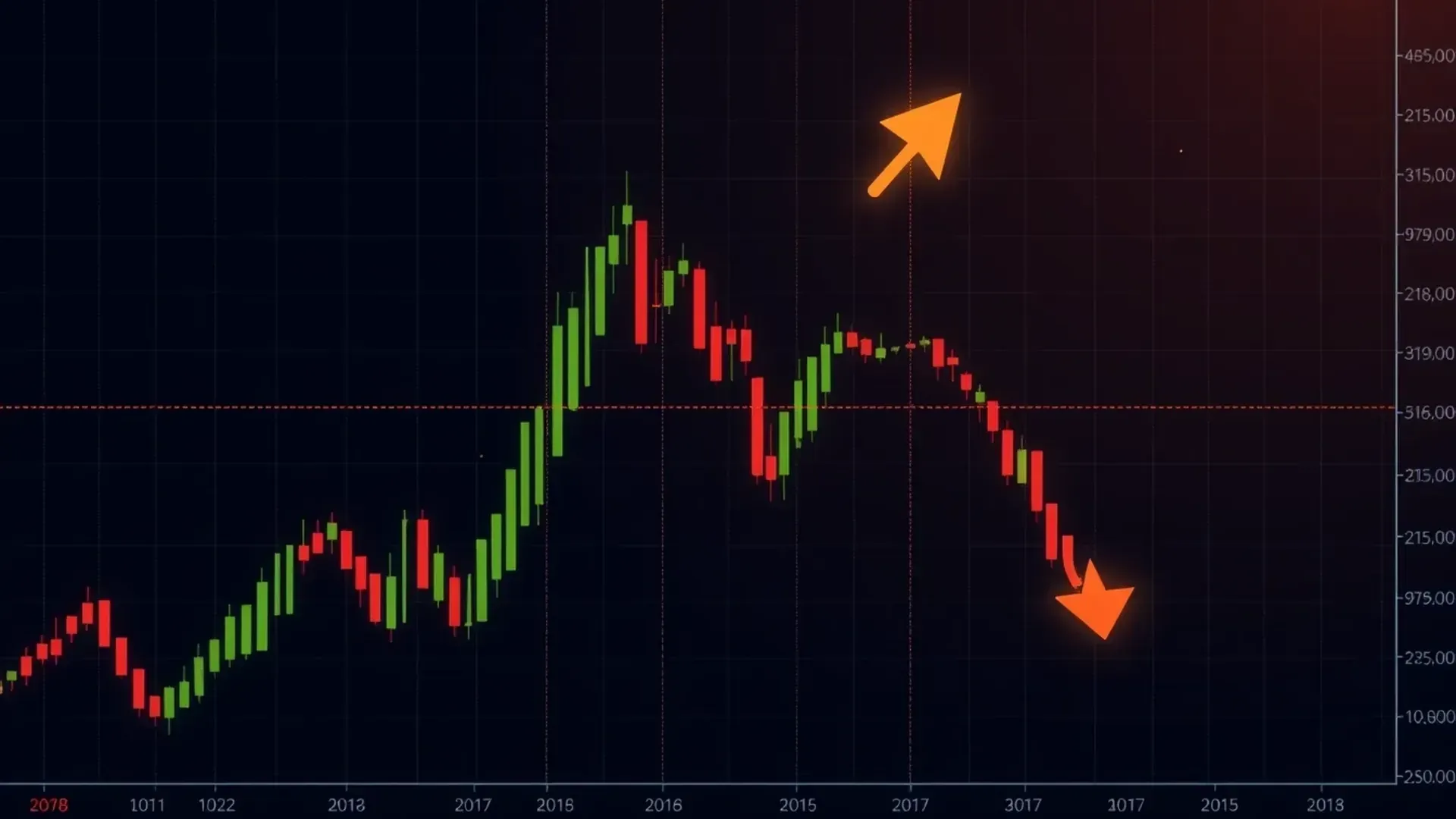
The psychological effects of winning and losing trades in forex can have a significant impact on traders.
The Impact of Winning Trades on Psychological Well-being in Forex Trading
Forex trading can be an exhilarating and rewarding experience. The thrill of making successful trades and earning profits can give traders a sense of accomplishment and boost their confidence. However, it is important to recognize that winning trades can also have a significant impact on a trader’s psychological well-being.
When a trader makes a winning trade, it is natural to feel a sense of excitement and satisfaction. The feeling of being right and making a profitable decision can be incredibly gratifying. This positive reinforcement can lead to a surge in confidence and a belief that the trader has a special ability to predict market movements accurately.
This newfound confidence can be both a blessing and a curse. On one hand, it can motivate traders to continue making well-informed decisions and take calculated risks. It can also help them stay focused and disciplined in their trading strategies. However, on the other hand, it can also lead to overconfidence and a tendency to take unnecessary risks.
Overconfidence can be dangerous in forex trading. It can cloud a trader’s judgment and lead them to make impulsive decisions based on their belief that they are always right. This can result in reckless trading and significant losses. It is essential for traders to remain grounded and remember that winning trades are not always guaranteed.
Another psychological effect of winning trades is the fear of missing out (FOMO). When a trader experiences success, they may become anxious about missing out on future profitable opportunities. This fear can drive them to enter trades hastily without conducting proper analysis or risk assessment. FOMO can be a powerful force that can cloud a trader’s judgment and lead to poor decision-making.
Moreover, winning trades can also create unrealistic expectations. Traders may start to believe that every trade they make will be a winner, leading to disappointment and frustration when losses occur. It is crucial for traders to understand that losses are an inevitable part of forex trading and that no one can predict the market with 100% accuracy.
The impact of winning trades on psychological well-being can also extend beyond the trading platform. Traders may experience a boost in self-esteem and a sense of validation when they share their success stories with others. This can lead to a desire for recognition and validation from peers, which can further fuel the need to make winning trades.
In conclusion, winning trades in forex trading can have a significant impact on a trader’s psychological well-being. While the feeling of success and accomplishment can be exhilarating, it is important for traders to remain grounded and avoid overconfidence. It is crucial to recognize that losses are a part of trading and to manage expectations accordingly. By maintaining a balanced mindset and focusing on long-term success, traders can navigate the psychological effects of winning trades and continue to grow as successful forex traders.
Coping with the Emotional Consequences of Losing Trades in Forex
Trading in the forex market can be an exhilarating experience. The thrill of making profitable trades and the satisfaction of seeing your account balance grow can be incredibly rewarding. However, not every trade will go your way. In fact, losses are an inevitable part of trading. Coping with the emotional consequences of losing trades is crucial for long-term success in forex.
When a trade goes against you and you end up losing money, it can be a blow to your confidence. You may start questioning your abilities as a trader and doubting your decision-making skills. These negative emotions can have a significant impact on your future trading decisions if not properly addressed.
One of the first steps in coping with the emotional consequences of losing trades is to accept that losses are a normal part of trading. Even the most successful traders experience losses from time to time. It’s important to remember that a single trade does not define your overall trading performance. Instead of dwelling on the loss, focus on learning from it and moving forward.
Another helpful strategy is to maintain a positive mindset. Instead of viewing losses as failures, see them as opportunities for growth and improvement. Every loss can teach you something about the market and your trading strategy. By reframing losses in this way, you can turn them into valuable learning experiences.
It’s also important to avoid making impulsive decisions after a losing trade. It can be tempting to try to recoup your losses by immediately jumping into another trade. However, this can often lead to even more losses. Take the time to analyze what went wrong in the previous trade and make any necessary adjustments to your strategy before entering another trade.
Seeking support from other traders can also be beneficial. Joining online trading communities or finding a mentor can provide you with a support system of like-minded individuals who understand the emotional rollercoaster of trading. Sharing your experiences and learning from others can help you gain perspective and develop healthier coping mechanisms.
In addition to these strategies, taking care of your overall well-being is crucial for coping with the emotional consequences of losing trades. Engaging in activities that you enjoy outside of trading can help you maintain a balanced perspective. Exercise, spending time with loved ones, and practicing relaxation techniques such as meditation or deep breathing can all help reduce stress and improve your emotional resilience.
Lastly, it’s important to remember that trading is a long-term game. One losing trade does not mean that you are a bad trader or that you will never be successful. It’s essential to have realistic expectations and understand that losses are a part of the journey. By focusing on continuous learning and improvement, you can bounce back from losses and ultimately achieve long-term success in forex trading.
In conclusion, coping with the emotional consequences of losing trades in forex is crucial for maintaining a healthy mindset and long-term success. Accepting losses as a normal part of trading, maintaining a positive mindset, avoiding impulsive decisions, seeking support from other traders, taking care of your overall well-being, and having realistic expectations are all strategies that can help you navigate the emotional ups and downs of trading. Remember, it’s not about avoiding losses altogether, but rather how you bounce back from them and continue to grow as a trader.
Understanding the Psychological Rollercoaster of Forex Trading
What are the psychological effects of winning and losing trades in forex?
Understanding the Psychological Rollercoaster of Forex Trading
Forex trading can be an exhilarating and nerve-wracking experience. The ups and downs of the market can take traders on a psychological rollercoaster ride. One of the most significant factors that contribute to this rollercoaster is the outcome of trades – whether they result in a win or a loss. The psychological effects of winning and losing trades in forex can be profound and can impact a trader’s mindset and decision-making abilities.
When a trader experiences a winning trade, it can be a euphoric feeling. The sense of accomplishment and validation can boost confidence and motivate traders to continue their trading journey. Winning trades can also reinforce a trader’s strategies and techniques, making them more likely to stick to their plan and trust their instincts. This positive reinforcement can create a cycle of success, where winning trades lead to more winning trades.
On the other hand, losing trades can have a devastating impact on a trader’s psyche. The feeling of disappointment and frustration can be overwhelming, leading to self-doubt and a loss of confidence. Losing trades can also make traders question their strategies and abilities, causing them to second-guess their decisions. This negative reinforcement can create a cycle of failure, where losing trades lead to more losing trades.
The psychological effects of winning and losing trades can also manifest in a trader’s risk tolerance. After a series of winning trades, traders may become overconfident and start taking on more significant risks. This overconfidence can lead to impulsive and irrational decision-making, which can result in losses. Conversely, after a series of losing trades, traders may become risk-averse and hesitant to take any positions. This fear of losing can prevent traders from capitalizing on potential opportunities and can hinder their ability to make profits.
Another psychological effect of winning and losing trades is the emotional attachment to money. Winning trades can create a sense of financial security and abundance, leading to feelings of happiness and contentment. On the other hand, losing trades can evoke feelings of fear and scarcity, causing stress and anxiety. This emotional attachment to money can cloud a trader’s judgment and lead to irrational decision-making.
It is essential for traders to be aware of these psychological effects and to develop strategies to manage them. One way to do this is by maintaining a balanced mindset and not letting emotions dictate trading decisions. Traders should focus on the long-term goals and not get caught up in the short-term fluctuations of the market. It is also crucial to have a well-defined trading plan and to stick to it, regardless of the outcome of individual trades. This can help traders avoid impulsive and emotional decision-making.
Additionally, traders can benefit from seeking support and guidance from fellow traders or professionals. Joining trading communities or finding a mentor can provide valuable insights and perspectives, as well as emotional support during challenging times. It is also helpful to engage in self-reflection and to learn from both winning and losing trades. Analyzing past trades can help identify patterns and improve trading strategies.
In conclusion, the psychological effects of winning and losing trades in forex can be significant. Winning trades can boost confidence and reinforce strategies, while losing trades can lead to self-doubt and a loss of confidence. These effects can impact a trader’s risk tolerance, decision-making abilities, and emotional well-being. It is crucial for traders to be aware of these effects and to develop strategies to manage them effectively. By maintaining a balanced mindset, sticking to a trading plan, seeking support, and engaging in self-reflection, traders can navigate the psychological rollercoaster of forex trading with greater resilience and success.
Overcoming Psychological Biases in Forex Trading: Lessons from Winning and Losing Trades
Trading in the forex market can be an exhilarating experience. The thrill of making profitable trades and the disappointment of losing can have a profound impact on a trader’s psyche. Understanding the psychological effects of winning and losing trades is crucial for any forex trader looking to overcome biases and improve their trading performance.
When a trader wins a trade, it can be a euphoric feeling. The rush of adrenaline and the sense of accomplishment can be addictive. Winning trades can boost a trader’s confidence and make them feel invincible. This can lead to overconfidence and a tendency to take on more risk than necessary. It’s important for traders to recognize this psychological bias and avoid falling into the trap of overtrading.
On the other hand, losing trades can be devastating to a trader’s confidence. The feeling of failure and the fear of losing more money can be overwhelming. Losing trades can lead to self-doubt and a loss of trust in one’s trading strategy. It’s crucial for traders to understand that losses are a part of trading and to not let them affect their decision-making process. Learning from losing trades and making adjustments to one’s strategy is key to long-term success in forex trading.
One way to overcome the psychological effects of winning and losing trades is to maintain a balanced mindset. It’s important for traders to detach themselves emotionally from their trades and view them objectively. This can be achieved by focusing on the process rather than the outcome. Instead of fixating on whether a trade is a winner or a loser, traders should focus on following their trading plan and executing their strategy effectively.
Another way to overcome psychological biases is to practice mindfulness. Mindfulness involves being fully present in the moment and observing one’s thoughts and emotions without judgment. By practicing mindfulness, traders can become more aware of their biases and emotions and make more rational trading decisions. Taking a few moments to breathe and clear the mind before making a trading decision can make a significant difference in one’s trading performance.
Additionally, it’s important for traders to have a support system. Trading can be a lonely endeavor, and having a network of fellow traders or a mentor can provide valuable emotional support. Sharing experiences and discussing trading strategies with others can help traders gain perspective and overcome psychological biases.
Lastly, it’s crucial for traders to have realistic expectations. The forex market is highly volatile, and there will be both winning and losing trades. It’s important for traders to understand that losses are a part of the game and not let them discourage them. By setting realistic goals and focusing on long-term profitability, traders can overcome the psychological effects of winning and losing trades.
In conclusion, the psychological effects of winning and losing trades in forex can have a significant impact on a trader’s performance. By understanding and overcoming biases, maintaining a balanced mindset, practicing mindfulness, building a support system, and having realistic expectations, traders can improve their trading performance and achieve long-term success in the forex market. So, the next time you win or lose a trade, remember to stay calm, stay focused, and keep trading.
Conclusion
The psychological effects of winning and losing trades in forex can vary significantly. Winning trades can lead to feelings of confidence, satisfaction, and a sense of accomplishment. On the other hand, losing trades can result in frustration, disappointment, self-doubt, and even anxiety. These psychological effects can impact a trader’s decision-making, risk tolerance, and overall trading performance. It is crucial for forex traders to develop effective coping strategies and maintain a balanced mindset to navigate the emotional rollercoaster that comes with trading.